
Sleep Apnea Treatment
Quality sleep is essential for your overall health, yet millions of people live with sleep apnea without even realizing it. This condition causes your breathing to pause or become shallow multiple times during the night. This disrupts the deep rest your body needs.
Left untreated, sleep apnea can lead to serious problems such as chronic fatigue, heart disease, high blood pressure, poor concentration, and even depression. As oral and maxillofacial surgeons, we can evaluate and treat sleep apnea to restore healthy breathing and improve your quality of life.
Contact Us
Symptoms & Signs of Sleep Apnea
Sleep apnea often goes undiagnosed because many symptoms occur while you’re asleep. Common warning signs include:
- Loud snoring or gasping for air during sleep
- Morning headaches, dry mouth, or sore throat
- Daytime fatigue, difficulty concentrating, or irritability
In many cases, the shape of your jaw or airway makes you more prone to airway collapse at night. If you suspect you may have sleep apnea, or if your partner notices you stop breathing during sleep, it’s important to seek a professional evaluation.
Treatment Options for Sleep Apnea
We begin by determining the severity of your sleep apnea and identifying the exact cause of your airway obstruction. From there, we can recommend the right approach for you.
Non-Surgical Options
Some patients respond well to CPAP therapy, which uses a gentle stream of air pressure to keep the airway open. Others prefer a custom oral appliance, similar to a mouthguard, that repositions the jaw or tongue to maintain an open airway. These appliances are easy to wear, travel-friendly, and effective for many cases of mild to moderate sleep apnea.
Surgical Solutions
For patients who don’t respond to or cannot tolerate non-surgical treatments, surgery may be the best option. Procedures include:
- Maxillomandibular Advancement (MMA) – Moves the upper and lower jaws forward to open the airway
- Genioglossus Advancement (GA) – Tightens the tongue muscle to prevent it from falling back during sleep
- Uvulopalatopharyngoplasty (UPPP) – Carefully removes excess tissue in the throat that may block airflow
In some cases, a combination of procedures provides the most effective result. Every plan is based on your unique anatomy, lifestyle, and health goals.
Why Choose Advanced Dental Implants & Oral Surgery for Sleep Apnea Surgery
Our surgeons have extensive training in both the functional and anatomical aspects of the airway. We use advanced digital imaging to map everything in detail, allowing us to plan with exceptional precision. Every treatment plan—whether non-surgical or surgical—is fully customized to help improve your breathing, your sleep, and your long-term health. We also focus on minimizing downtime so you can return to normal activities as quickly and comfortably as possible.
What to Expect: Consultation & Treatment Process
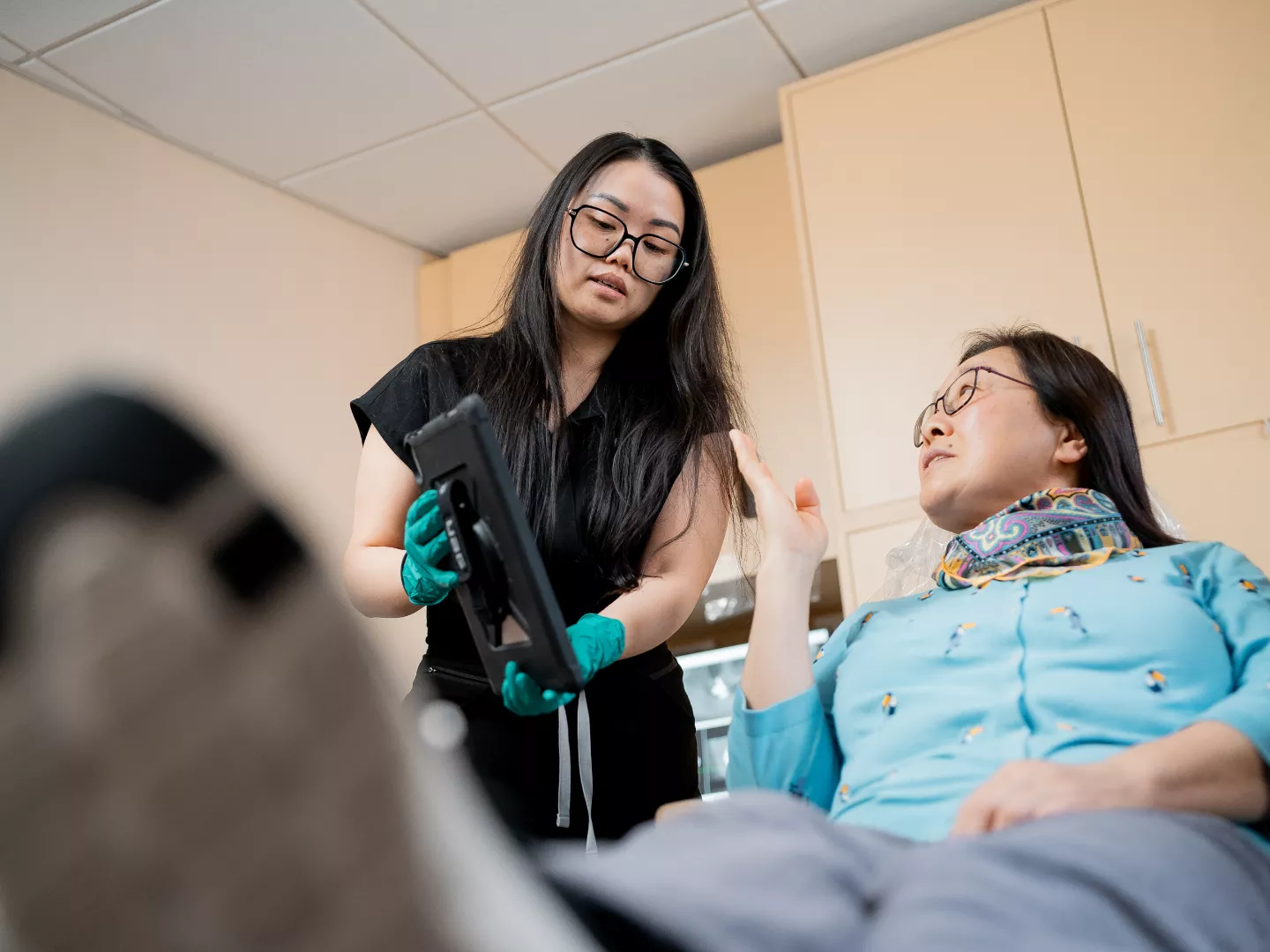
The first step is to attend a consultation. If you haven’t had a sleep study, we can refer you to a trusted provider to confirm your diagnosis and assess the severity of your sleep apnea. At our office, we’ll perform a comprehensive exam using 3D imaging to pinpoint where your airway is being restricted.
From there, we’ll walk you through your options. For some, a custom oral appliance or lifestyle changes may be enough. For others, surgery offers the best long-term outcome. After treatment, we provide clear recovery guidelines and ongoing follow-up to ensure your breathing, sleep quality, and overall health continue to improve.

Take the First Step Toward Better Sleep
Living with sleep apnea can affect far more than just your nights—it can influence your daily life. The good news is that safe, effective treatment is available. Whether your solution is simple or requires surgery, we’ll be with you through every step of the process.
Call us today to schedule a consultation and take control of your sleep health. Better rest begins with the right plan—and the right team by your side.
Contact Us